Unlocking the Potential of TikTok: Proven Strategies for Monetization
- Why TikTok Works for Monetization in the First Place
- Before You Monetize, Build a Clear Path From Video to Action
- TikTok’s Native Monetization Tools Are Worth Using, But They Should Not Be Your Only Plan
- Creator Fund and Similar Payout Models
- Creator Marketplace for Brand Collaborations
- Live Gifts and Video Gifts
- Brand Deals Work Best When the Match Feels Obvious
- TikTok Shop Shrinks the Distance Between Interest and Purchase
- Affiliate Marketing Can Be Simple and Profitable If You Keep It Relevant
- You Can Sell Your Own Products or Services Without Waiting for a Brand Deal
- Paid Ads Help You Scale What Is Already Working
- The Smartest Strategy Is a Blended One
- Final Thought
TikTok gets treated like a place where random videos go viral and money somehow appears. That idea is half true and mostly unhelpful.
Yes, the platform can generate real income. People make money through creator programs, brand deals, affiliate links, TikTok Shop, direct sales, and paid campaigns. But the accounts that do this well usually are not chasing every trend with no plan. They understand what TikTok rewards, what their audience responds to, and where a viewer should go after watching.
That matters even more for small business owners. TikTok is not only for full-time creators. It is also a strong channel for selling products, booking services, building demand, and testing offers fast. If you already think about content creation as part of growth, TikTok gives you something many platforms no longer give as easily: discovery.
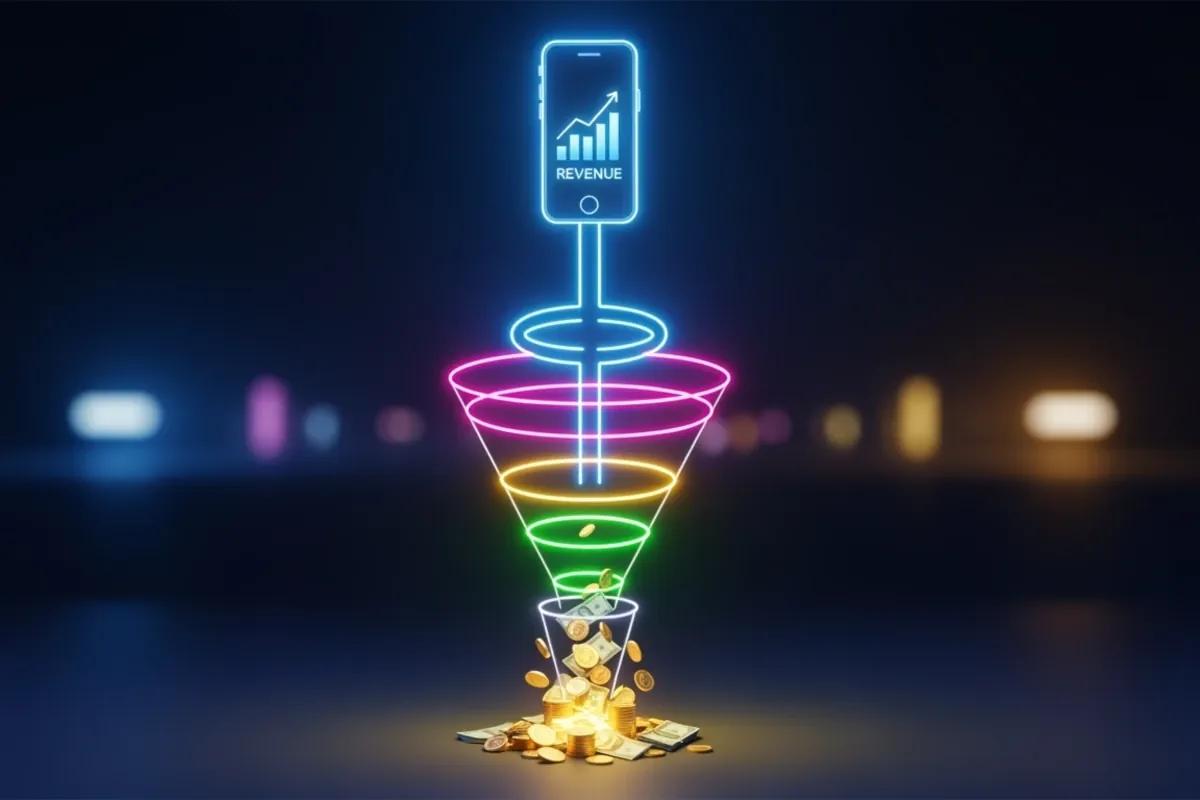
The bigger point is simple. The best TikTok monetization strategy is rarely one strategy. It is a mix. A creator might earn from platform tools, sponsored posts, affiliate recommendations, and direct product sales at the same time. A business owner might use organic videos to warm people up, TikTok Shop to close sales, and ads to scale what already works.
That mix is what turns views into revenue.
Why TikTok Works for Monetization in the First Place
TikTok is built around short, fast, interest-based discovery. People do not need to follow you to see your content. That changes everything.
On older social platforms, reach often depends heavily on your existing audience. On TikTok, a strong video can travel well beyond your follower count. That gives smaller creators and newer businesses a real shot. It also means your content has to earn attention quickly. A weak first second gets punished. A strong hook, clear idea, and native delivery can move fast.
The platform’s core audience has long skewed heavily toward adults in the 18 to 35 range. That group is comfortable with online shopping, quick decisions, influencer recommendations, and in-app discovery. They are used to finding products in videos, not by searching a catalog first. If you sell something visual, demonstrable, surprising, useful, or emotionally appealing, TikTok can shorten the distance between interest and action.
I think this is where many businesses misread the app. They show up with polished ad creative that feels imported from somewhere else. TikTok usually prefers content that feels like it belongs there. That does not mean sloppy. It means direct, watchable, and human.
For anyone using AI marketing tools to speed up ideation or scripting, that distinction matters. AI can help you generate hooks, test angles, and organize a posting schedule. It cannot fake relevance. The videos that monetize best still feel grounded in a real point of view.
Before You Monetize, Build a Clear Path From Video to Action
Views alone do not pay much unless they connect to something else.
Before you think about monetization methods, decide what you want the viewer to do next. Maybe that next step is buying from TikTok Shop. Maybe it is tapping an affiliate link in your bio. Maybe it is joining your live, visiting your site, booking a service, or remembering your name well enough to respond later when you run ads.
A lot of TikTok monetization problems are really conversion path problems. The content gets attention, but the audience is not being directed anywhere useful.
If you run a small business, this gets practical fast. A bakery can post behind-the-scenes decorating videos, trend-style taste tests, and short customer reactions, but those videos need to point somewhere. That might be a preorder link, a holiday menu, or a local pickup page. A service business has a different path. A cleaning company or esthetician might use TikTok to create trust, then send people to a booking page through the bio link.
The money shows up when the video and the next step make sense together.
TikTok’s Native Monetization Tools Are Worth Using, But They Should Not Be Your Only Plan
TikTok offers in-platform monetization through programs grouped under Creator Next and related features. Exact availability varies by region, but the usual basics are fairly consistent. Creators generally need to be at least 18, have posted at least three videos in the last 30 days, and have at least 1,000 video views in that same period. Follower requirements can vary by location and by specific feature.
These tools matter because they turn engagement into income without requiring you to leave the platform. Still, most creators learn pretty quickly that native payouts alone are better as a layer, not the whole business.
Creator Fund and Similar Payout Models
The Creator Fund has been one of TikTok’s better-known payout options, and access has typically required at least 10,000 followers plus compliance with platform rules and content guidelines.
The appeal is obvious. You create content, it performs, and the platform pays out. The catch is that these earnings often are not enough to build a stable business by themselves unless your volume and reach are consistently strong. Think of it as supplemental income. Useful, real, and worth pursuing if you qualify, but not something I would build an entire revenue strategy around.
For small business owners, this can still be helpful. If your educational or entertaining videos are already getting traction, platform payouts can offset production costs while your main revenue comes from products or services.
Creator Marketplace for Brand Collaborations
TikTok Creator Marketplace is the part of the platform designed to connect creators with brands for sponsored work. This is where your TikTok presence starts functioning more like media inventory.
If you want brands to take you seriously, your profile needs to communicate what you do well. That means a clear niche, visible engagement, and evidence that people actually respond to your recommendations. A small account with strong engagement and a defined audience often beats a large account with vague content.
This is also where a press kit helps. It does not need to be fancy. It should show your audience profile, average views, engagement rate, example content, and any proof that your videos drive clicks, comments, or sales. Even a few strong organic posts can make the case if they show that people trust your opinion.
Live Gifts and Video Gifts
TikTok also allows viewers to support creators directly through gifts on live videos and, in some cases, regular videos. This model works best when there is a real sense of community. People do not usually send gifts because a video exists. They send them because they feel connected to the creator, entertained by the moment, or invested in what happens next.
That makes lives especially useful for creators who teach, react, demonstrate, or answer questions in real time. A product seller can use lives to demo items. A service provider can answer common objections live. A creator can turn a passive audience into active supporters.
Direct audience support is probably the most honest monetization signal on the platform. If people choose to tip you, they are telling you the content itself has value.
Brand Deals Work Best When the Match Feels Obvious
Sponsored content is still one of the biggest income sources on TikTok, and it can be great money. It can also damage trust fast if the fit is wrong.
The creators who do this well usually have a simple rule: only take partnerships that make sense to their audience and to their own content style. If your page is built around budget meal prep and suddenly you are pushing luxury luggage with no context, people notice. They always notice.
That is why authenticity is not just a moral point. It is a performance point. Sponsored videos work better when the creator already sounds like someone who would use the product. The audience should not have to do mental gymnastics to understand the connection.
When pitching brands, lead with outcomes. Show that your content gets comments, shares, saves, or traffic. If you have sold your own product through organic content, mention that. If a non-sponsored video drove clicks or inquiries, that matters too. Brands want signs that you can move people, not just collect views.
Transparency matters here. Use TikTok’s branded content disclosure tools when required. Beyond compliance, it is just better for trust. People can handle sponsorships. What annoys them is feeling tricked.
TikTok Shop Shrinks the Distance Between Interest and Purchase
TikTok Shop is one of the most direct ways to monetize because it allows products to be sold inside the app. That matters more than it sounds like it should.
Every extra click in a buying journey gives people a chance to leave. TikTok Shop reduces that friction. Someone watches a demo, likes what they see, and can move toward purchase without bouncing to another site. For visual products and impulse-friendly items, that can make a huge difference.
It works especially well when the content answers the buyer’s question before they ask it. Show how the item works. Show the problem it solves. Show what makes it different. Compare it with a common alternative. Put it in normal use, not just polished product shots.
That native style matters. TikTok users are comfortable shopping through content, but they still want the content to be worth watching. The strongest Shop videos often feel more like recommendations, proof, or demonstrations than direct commercials.
Participation depends on meeting TikTok Shop requirements, which vary by market and account type. Once you are in, the real work is creative testing. One product can flop with a generic pitch and sell well with a more specific angle.
Affiliate Marketing Can Be Simple and Profitable If You Keep It Relevant
Affiliate marketing on TikTok is often misunderstood. People think it means stuffing links everywhere and hoping a few strangers buy something. That approach is why so much affiliate content feels cheap.
The better version is more selective. Recommend products that fit your audience, your content category, and your own actual use. If you review kitchen tools, a helpful recommendation can convert well. If you teach video production, sharing gear you genuinely use makes sense. If you run a niche service business, affiliate partnerships might include software, equipment, or related products your audience already asks about.
The money comes from commissions on referred sales. The trust comes from context. Explain why this product, who it is for, and who should skip it. That last part matters more than people think. Honest limitations make recommendations more believable.
Affiliate content also works well when it is embedded in the kind of videos people would watch anyway. Tutorials, comparisons, problem-solving clips, and “I tested this so you don’t have to” videos tend to outperform hard sells.
You Can Sell Your Own Products or Services Without Waiting for a Brand Deal
One of the strangest habits on TikTok is acting like monetization starts when a sponsor arrives. For many businesses, the most profitable thing to sell is what they already own.
If you have a product, TikTok can drive direct sales. If you offer a service, TikTok can drive consultations, bookings, and leads. You do not need to frame every video as a pitch. In fact, you probably should not. But your content should make the value of your offer easy to understand over time.
Short videos are good at building desire when they show change. A cleaning business can show before-and-after results. A photographer can show the difference between awkward posing and guided posing. A fitness coach can break down common mistakes. A candle seller can show scent themes, packaging moments, or how a product fits into a routine.
This is where content creation becomes part education, part sales enablement. Organic TikTok content lets you answer objections in public. It lets you demonstrate quality before someone ever clicks your link.
If your goal is lead generation rather than ecommerce, use your bio wisely. Send people to a booking page, contact form, or a focused landing page that matches the promise of the videos they just watched.
Paid Ads Help You Scale What Is Already Working
TikTok Ads are useful when you want more control over reach, audience targeting, and campaign goals. They are especially effective after you know what message already works organically.
That sequence matters. Organic content is often the cheapest testing ground. It tells you which hooks keep attention, which products spark comments, and which angles people ignore. Once you find a winning concept, paid ads can push it further toward traffic, sales, or awareness.
TikTok gives advertisers multiple ad formats, so the right setup depends on the goal. A business trying to drive purchases needs a different campaign structure than one trying to grow reach or collect leads. But in all cases, native creative tends to perform better than polished content that looks imported from another platform.
Do not use ads to rescue a weak idea. Use ads to amplify a strong one.
This is also where AI marketing and small business tools can save time. They can help you turn one winning concept into multiple variants, test hooks faster, and review performance patterns without drowning in spreadsheets. Still, the core judgment remains human. You need to know which creative feels believable and which one sounds like a machine trying to sound fun.
The Smartest Strategy Is a Blended One
TikTok monetization works best when revenue does not depend on a single source. Platform payouts can change. Brand deals can dry up. A product can trend for a month and then vanish. That is normal.
A more durable setup might look like this in practice: organic videos build reach, Creator Next tools add some platform income, affiliate content brings commissions, TikTok Shop closes direct purchases, and paid ads scale the offers that already convert. If you are a service business, replace Shop revenue with leads and booked appointments.
Then watch the data. Look at what drives watch time, clicks, sales, and repeat interest. If a certain style of video gets saves but no conversions, that tells you something. If lives generate fewer views but more revenue, that tells you something too.
Good monetization is usually less about doing more and more about noticing what is already working.
Final Thought
TikTok can absolutely become a real revenue channel. Sometimes it becomes a creator’s full-time income. Sometimes it becomes a small business’s most efficient top-of-funnel platform. Often it becomes both attention and sales at once.
But the accounts that make money consistently are not just posting for views. They are pairing the right content with the right monetization path, staying clear about what the audience wants, and keeping trust intact while they sell.
That is the part worth copying.

