Empower Your Restaurant's Growth: Top Marketing Tools for Restaurant Success
- Why restaurants need a connected tool stack
- Social media and reviews are your public storefront
- CRM, email, and loyalty tools turn one-time guests into regulars
- Operations tools can improve marketing without looking like marketing
- Analytics and local SEO tell you what is actually working
- QR codes are more useful than menus alone
- How to choose tools without overcomplicating your restaurant
- A practical way to start this month
Running a restaurant means marketing is never really separate from operations. The guest experience starts before someone walks in the door, and it keeps going after they leave a review, open your email, scan a QR code, or decide whether your place is worth a second visit. That is why the best restaurant marketing tools do more than “promote.” They help you stay visible, stay organized, and stay relevant to the people most likely to come back.
A lot of owners feel this problem in a very practical way. They are posting on social media when they remember, replying to reviews late at night, sending the occasional email blast, and hoping word of mouth carries the rest. That can work for a while. It usually does not scale. What changes the game is using a connected set of tools that turns scattered effort into a real system.
The good news is you do not need a giant budget or a full-time marketing department to do this well. Many of the most useful small business tools are affordable, easy to learn, and built to save time. Some now use AI marketing features for content creation, scheduling, review management, and customer follow-up. Used well, they help restaurants make smarter decisions instead of just making more noise.
Why restaurants need a connected tool stack
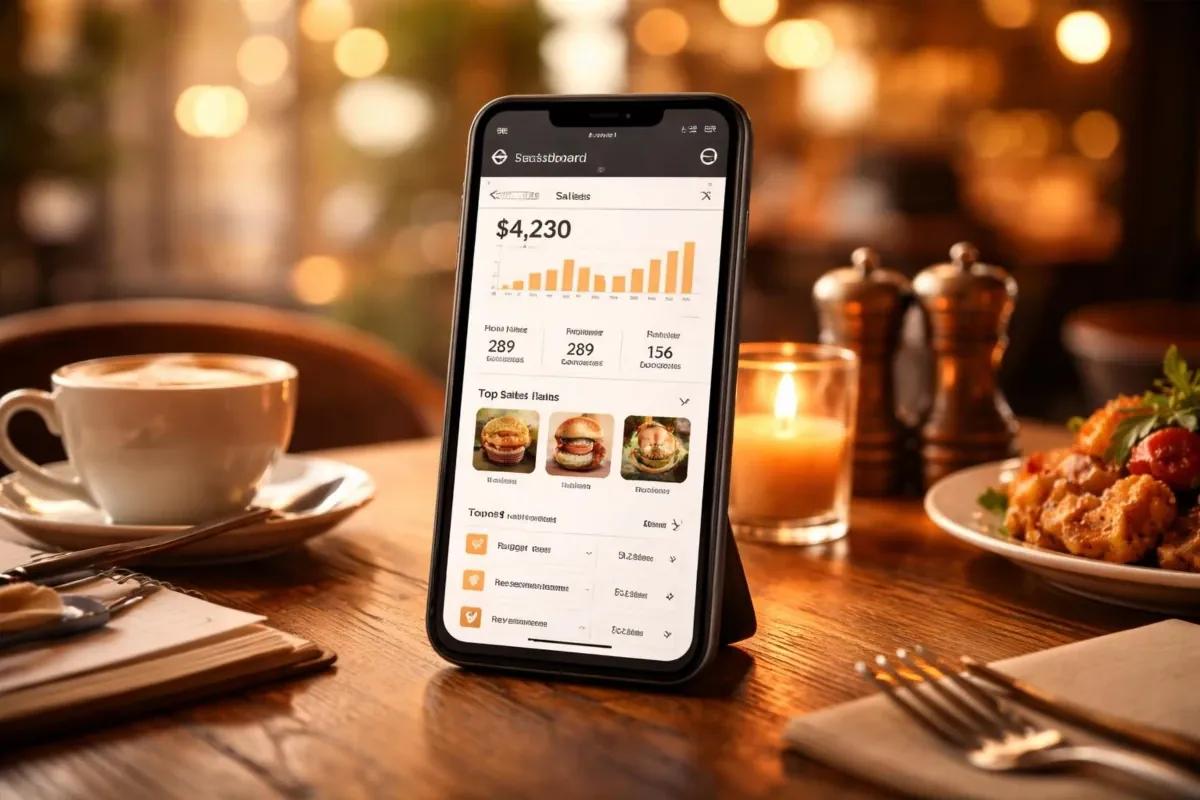
Restaurants often buy software the way people buy kitchen gadgets: one tool for one pain point, then another, then another. Before long, nothing talks to anything else. Social posts live in one app, customer emails in another, reservations somewhere else, and review data gets checked only when someone complains. It is messy. And the mess costs time.
A better approach is to think in terms of outcomes. Do you want more awareness in your neighborhood? More repeat visits? Faster table turns? Better online reviews? Less no-show chaos? The tools you choose should map to those goals.
That matters because each category does a different job. Social scheduling and reputation tools help people find you and trust you. CRM and email tools help you remember guests and bring them back. Ordering and reservation systems smooth out service and reduce friction. Analytics and local SEO tools tell you whether your marketing is actually working. QR systems can connect the in-store experience to digital engagement in ways that are much more useful than a PDF menu alone.
This integrated approach is where a lot of restaurant growth comes from. Not one magic app. A set of tools working together.
Social media and reviews are your public storefront
For many restaurants, Instagram, TikTok, Facebook, Yelp, and Google reviews shape first impressions more than signage does. That can feel unfair, but it is real. People decide where to eat quickly, often while hungry, often on their phones, often with three tabs open.
Social scheduling tools like Hootsuite or Buffer help with the most basic but important part of online presence: consistency. You do not have to post every hour. You do have to avoid disappearing for three weeks and then returning with a blurry photo of a lunch special. Scheduling tools let you plan menu spotlights, behind-the-scenes clips, events, seasonal offers, and customer favorites ahead of time. That alone reduces stress.
This is also where AI marketing can be genuinely useful, not gimmicky. If your team stalls every time it has to write captions, promo text, or short video scripts, an AI writing workspace or Smart Editor can turn a few notes into usable drafts. A conversational helper, something in the Craft Buddy style, can help brainstorm post ideas, rewrite a dull caption, or draft a response to common questions. That does not replace judgment. It removes blank-page paralysis.
Some restaurants use an all-in-one AI marketing platform for small businesses to handle content creation and campaign tasks in one place, which can be simpler than jumping between separate apps. The real value is not “more AI.” It is less friction.
Reviews matter just as much as posts. Platforms like Yelp and TripAdvisor, along with Google Business Profile, are where diners check whether the food looks good, the service feels reliable, and the experience matches the price. Replying to reviews is not glamorous work, but it builds trust. A thoughtful response to criticism often says more about your business than a five-star comment does.
The useful part is the data behind those reviews. If guests repeatedly praise the brunch cocktails, mention slow takeout pickup, or complain about weekend wait times, that is not random chatter. It is a feedback loop. Social analytics and review trends can help you change the message you put out and the service you deliver. If people love your patio, feature it more. If they keep asking whether you have gluten-free options, answer that in your bio, captions, and menu pages.
CRM, email, and loyalty tools turn one-time guests into regulars
A lot of restaurant owners chase reach when the easier win is retention. Getting a new customer costs more than bringing back someone who already had a good experience. That is why email marketing, customer relationship management, and loyalty programs matter so much.
Email still works, especially for restaurants with regulars, local audiences, and repeat purchase patterns. Tools like Mailchimp make it easier to send segmented campaigns instead of generic blasts. That means lunch guests can get weekday specials, event attendees can hear about the next tasting night, and customers who have not visited in a while can receive a gentle reason to return.
The difference between useful email and annoying email is relevance. A good CRM helps with that. Platforms like HubSpot organize customer information, visit history, preferences, and engagement so you can communicate with more context. If a family always orders takeout on Fridays, that tells you something. If a customer clicks every wine dinner email but never books, that also tells you something.
Personalization does not need to be creepy. It just needs to feel thoughtful. “Your points balance is ready for a reward” is better than “Here is another general coupon.” “We added two new vegetarian dishes” works better when you know the person has ordered vegetarian meals before.
Digital loyalty programs are especially effective because they connect behavior to reward without much friction. Guests can scan a QR code, join in seconds, and track progress without carrying another punch card. For restaurants, these programs are measurable. You can see redemption rates, repeat visit patterns, and which offers actually change behavior. That makes loyalty much more than a feel-good perk. It becomes a source of customer insight.
AI can help here too, but I think the boring use cases are the best ones. Drafting a welcome email. Writing a win-back message. Creating subject line variations. Building a month of campaign copy in one sitting. Good content creation tools are not exciting in the abstract. They are exciting when they save your manager two hours on a Tuesday.
Operations tools can improve marketing without looking like marketing
This is the part many people miss. Some of the strongest marketing gains come from tools that make service smoother.
Online ordering systems are a clear example. When ordering is fast, accurate, and easy to repeat, customers are more likely to use it again. Add QR code ordering or table-side payment, and you reduce wait times, cut down on mistakes, and remove points of friction that annoy guests. A cleaner ordering flow is good operations, but it also strengthens retention.
Reservation platforms do something similar. Better table management means fewer bottlenecks, fewer awkward wait times, and more realistic booking availability. That improves the customer experience before anyone has even been seated. It also gives you useful data. You can see peak times, cancellation patterns, party sizes, and visit frequency, then use that data to shape offers, staffing, and messaging.
Mobile marketing tools add another layer. Location-based offers can help reach nearby customers with time-sensitive promotions, especially during slower dayparts. If lunch traffic drops on Wednesdays, a targeted mobile offer in the surrounding area can do more than a broad social campaign sent to everyone. Done badly, this feels spammy. Done well, it feels timely.
What matters here is the connection between systems. A reservation guest who joins your loyalty program and later orders takeout should not feel like three different people inside three different platforms. The more unified your data is, the more useful your marketing becomes.
Analytics and local SEO tell you what is actually working
Plenty of restaurant marketing looks busy without being effective. That is why analytics matter. Not because owners want more dashboards, but because guessing gets expensive.
Google Analytics can show how people find your website, which pages they visit, where they drop off, and whether campaigns lead to action. If your menu page gets traffic but almost nobody clicks to order, something is off. If your event page converts well from email but poorly from paid social, that tells you where to focus.
The same goes for campaign tracking. A promotion should answer basic questions. Did it bring in traffic? Did people redeem the offer? Did those customers come back? Was the spend worth it? Those are not fancy marketing questions. They are business questions.
Influencer marketing fits here too. Local food creators can help restaurants reach new diners quickly, especially if the audience is nearby and engaged. But too many collaborations stop at “the post got good comments.” That is not enough. Use trackable links, unique promo codes, reservation sources, or landing pages so you can connect visibility to results. An authentic review from a trusted local creator can work well. You still need to measure what it changed.
Local SEO is another quiet workhorse. Tools like BrightLocal help restaurants keep listings accurate across directories, monitor local visibility, and catch inconsistencies in business information. That matters more than people think. Wrong hours, outdated addresses, mismatched phone numbers, or incomplete listing details can cost real traffic. When someone searches “best tacos near me” or “late night sushi,” you want your business information to be clean, current, and easy to trust.
Good local SEO also supports the rest of your marketing. Social posts may create interest, but local search often closes the gap between interest and action.
QR codes are more useful than menus alone
QR codes got popular for menus, and a lot of restaurants stopped there. Fair enough. Digital menus are convenient and easy to update. But QR codes can do much more when tied to the right systems.
A QR code can lead to ordering, payment, loyalty sign-up, event registration, review requests, or a limited-time offer. That means one small interaction at the table can turn into a measurable customer action. If guests scan a code to view the menu, you can learn which dishes get the most attention. If they scan to join a rewards program, you can track whether that changes return visits. If a takeout bag includes a QR code for feedback, you get fresher insights than you would from waiting for public reviews.
I like QR tools most when they reduce friction for the guest and add useful data for the business at the same time. That balance matters. If the experience feels clunky, people ignore it. If it is simple, it can become part of the routine.
How to choose tools without overcomplicating your restaurant
The best tech stack is not the biggest one. It is the one your team will actually use.
Start with your main bottleneck. If people do not know you exist, work on social consistency, reviews, and local SEO. If you get traffic but not repeat visits, invest in CRM, email, and loyalty. If service issues are hurting reviews, improve reservations, ordering, and table-side systems first. Marketing cannot fix a broken guest experience for long.
It also helps to ask one blunt question before adding any tool: what decision will this help me make? If the answer is vague, pause. A platform that gives you more data but no clear action is usually just another login.
Integration matters more than feature count. A simpler system that shares data across ordering, loyalty, and email is often better than a pile of specialized apps. Training matters too. If your staff dreads using a tool, it will fail no matter how smart the software is.
And yes, AI belongs in this conversation, but with realistic expectations. AI marketing is best at speeding up repetitive work, drafting ideas, and helping small teams produce steady content. It is not a substitute for knowing your customers or understanding your neighborhood. It will not invent hospitality.
A practical way to start this month
If your current setup feels scattered, do not rebuild everything at once. Pick one awareness tool, one retention tool, and one measurement tool. For example, that might mean a social scheduler, an email or CRM platform, and Google Analytics. Then add a loyalty or QR component if repeat visits are a priority.
Give each tool a job. Social keeps your restaurant visible. Reviews build trust. Email brings people back. CRM organizes customer knowledge. Ordering and reservations reduce friction. Analytics checks whether any of it works. When each system has a purpose, the whole stack gets easier to manage.
The restaurants that grow steadily are usually not the ones trying every new app. They are the ones using a few good tools consistently, reading the data honestly, and improving the guest experience one step at a time.
Marketing for restaurants is no longer just ads and pretty photos. It is systems, timing, customer memory, and operational follow-through. Get those working together, and growth becomes a lot less mysterious.

