12 Proven Strategies to Generate Consistent Plumbing Leads in the Digital Age
- Why steady leads change the business itself
- Why plumbing marketing has moved online
- Start here: your website and Google Business Profile
- The 12 strategies that create a steady lead flow
- 1. Professional website optimization
- 2. Local SEO
- 3. Free inspections or low-friction consultations
- 4. Referral programs
- 5. Social media marketing
- 6. Lead magnets that collect contact information
- 7. Educational workshops and community events
- 8. Business partnerships
- 9. Targeted advertising
- 10. Content marketing
- 11. Email campaigns
- 12. Customer testimonials and reviews
- The best order to build this system
- The long game: relationships beat random lead chasing
- Authority is what separates busy plumbers from trusted local experts
If you run a plumbing business, you already know the uncomfortable truth: great work does not guarantee a full schedule.
Some weeks the phone keeps ringing. Other weeks it feels too quiet, and that silence starts to get expensive. Payroll still exists. Trucks still need fuel. You still have to decide whether to chase every job or hold out for better ones. That is why lead generation matters so much. It is not about vanity metrics or looking busy online. It is about giving your business enough steady demand that you can plan ahead, protect your time, and stop relying on luck.
The plumbing trade used to lean harder on word of mouth, yard signs, mailers, and local reputation alone. Those still matter. I would never pretend they do not. But the buying process changed. People search on their phones, compare reviews, scan websites in seconds, and message the company that feels trustworthy fastest. If you are invisible online, or if your online presence looks half-finished, you lose work before you even know there was a chance.
The good news is that consistent lead generation is not magic. It is a system. And for plumbers, the best systems usually start with a strong digital foundation, then grow through trust, referrals, useful content, and a few targeted campaigns.
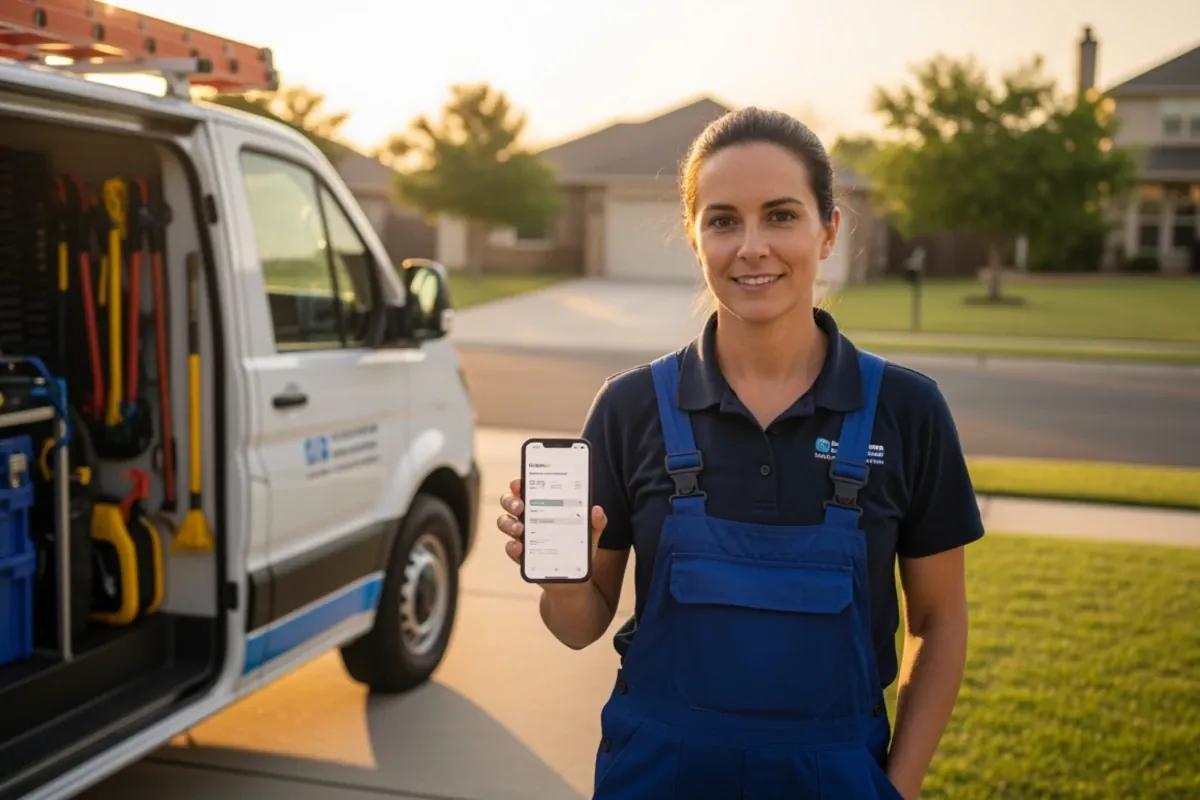
Why steady leads change the business itself
A full pipeline does more than raise revenue.
It helps you smooth out seasonal swings. It gives you the freedom to choose better-fit jobs instead of saying yes to everything. It can even improve your personal life, because the business stops running on emergency mode every month. That part gets ignored too often. Owners talk about growth, but what they often want is a business that feels less chaotic.
There is another upside people underestimate: repeat customers compound. A homeowner who calls you once for a leak may call again for a water heater replacement, then refer a neighbor, then recommend you to a family member. A property manager who trusts your team can send steady work for years. One lead is rarely just one lead if the experience is good and the follow-up is smart.
That is why chasing one-off jobs without a system feels exhausting. You keep restarting. A lead engine, even a simple one, changes that.
Why plumbing marketing has moved online
Most customers do at least a little homework before they contact a service business. They search phrases like “emergency plumber near me,” check Google reviews, look at photos, and compare response options. They want fast answers, but they also want reassurance. A clean site, a well-kept Google Business Profile, and recent reviews often decide who gets the call.
Traditional methods still play a role. Truck wraps, referrals, local sponsorships, and neighborhood visibility still work. But they work better when backed by digital proof. If someone hears your name from a friend and then finds an outdated website or inconsistent business info online, trust drops fast.
Digital marketing also has one practical advantage many owners appreciate once they start using it: you can measure it. You can see which pages get traffic, which calls come from search, which ad turns into booked work, and which follow-up email brings past customers back. That is a big shift from spending money and hoping it did something.
For some teams, AI marketing tools and other small business tools can help speed up content creation, review requests, and follow-up messages. That can save real time. Still, the tool is not the strategy. The strategy comes first.
Start here: your website and Google Business Profile
Before you try every tactic under the sun, fix the basics.
Your website should answer a nervous customer’s first questions almost instantly. What do you do? Where do you work? How do I contact you? Can I request a quote? Do you handle emergencies? Are you legitimate? If those answers are hidden, vague, or slow to load, people leave.
A strong plumbing website acts like a salesperson who never sleeps. It should have clear service pages, visible contact information, service area details, customer reviews, and obvious calls to action. Mobile performance matters more than many owners think, because a lot of urgent plumbing searches happen on a phone, often while someone is standing in a wet kitchen or bathroom.
Then there is your Google Business Profile. If your profile is incomplete, wrong, or ignored, local visibility suffers. Accurate hours, services, photos, categories, service areas, and fresh reviews all help you show up when people search nearby. This is one of the fastest wins in local marketing, and honestly, too many businesses still treat it like an afterthought.
After that, local SEO becomes the next layer. Use phrases people actually search, such as your city plus service type, in page titles, headings, and page copy. Include location pages if you serve multiple towns. Add a map. Make it easy for search engines, and human visitors, to understand where you work.
The 12 strategies that create a steady lead flow
1. Professional website optimization
Think of your site as your digital front desk. If it feels confusing or dated, people assume the experience will be the same when they hire you.
A good plumbing site highlights core services, emergency availability, trust signals, and easy next steps. One local company improved bookings simply by adding a clearer “Call Now” button, a fast quote form, and a page for each major service. Same business. Same team. Better presentation.
2. Local SEO
Local SEO is how you show up when intent is high and time is short. This is not broad brand awareness. This is someone searching because they need help now or soon.
If you serve Dallas, Phoenix, or a smaller town, your pages should say so naturally. Titles, meta descriptions, service pages, and profile listings should match the places you actually serve. A plumber who ranks well for “drain cleaning in [city]” can pull in leads month after month without paying for every click.
3. Free inspections or low-friction consultations
People hesitate to contact service businesses when they fear a hard sell or an expensive surprise. A free inspection, safety check, or no-pressure estimate lowers that barrier.
Done right, this is not about giving work away. It is about starting the conversation. A homeowner may call for a simple inspection of low water pressure, and during the visit you uncover a larger issue that turns into a booked repair. The point is to make first contact feel safe.
4. Referral programs
Referrals still matter because they come with trust built in. A formal referral program just gives that word of mouth a little structure.
If a satisfied customer knows they will receive a small credit or discount for sending someone your way, they are more likely to remember you at the right moment. Keep it simple. Complicated programs rarely get used. One plumbing company may get more value from ten easy referrals a month than from a flashy campaign nobody understands.
5. Social media marketing
A lot of plumbers roll their eyes at social media, and I get it. It can feel like wasted motion if you post random photos with no purpose.
But social media works when it supports trust. Short videos explaining common plumbing issues, photos of completed jobs, seasonal maintenance reminders, and quick answers to customer questions help people get familiar with your business before they need you. When a pipe bursts, they often call the company they have seen before, even if only casually.
6. Lead magnets that collect contact information
Most visitors are not ready to book right away. That does not mean the visit was worthless.
A simple downloadable guide, such as a homeowner plumbing maintenance checklist or a “What to do before the plumber arrives” sheet, can turn website traffic into contacts. This gives you a reason to follow up later through email. For smaller teams, content creation for these resources no longer has to take forever. Many use AI marketing support, a Smart Editor, or similar writing help to draft useful materials faster, then personalize them with real local knowledge.
7. Educational workshops and community events
Teaching works. People trust businesses that explain things clearly without sounding smug.
A workshop at a community center, hardware store, HOA meeting, or local event can introduce your company to homeowners in a way that feels helpful rather than pushy. Even a short talk on preventing frozen pipes or spotting early water heater issues can lead to calls later. The sale is rarely immediate. The trust is.
8. Business partnerships
Some of the best leads come from people who already work close to your customer. Realtors, property managers, remodelers, restoration companies, and home improvement stores all meet people who need plumbing help.
A property manager, for example, values reliability and speed more than clever marketing copy. If you become the plumber they trust, the relationship can send repeat business for a long time. This tactic is not flashy, but it is durable.
9. Targeted advertising
Paid ads can bring leads faster than SEO, especially if you need demand soon. The mistake is running broad campaigns with vague messaging.
Good plumbing ads target specific services, service areas, and intent. Emergency drain issues, water heater replacements, leak detection, and sewer line concerns all deserve different messages. If someone searches for an emergency plumber at 10:30 p.m., they do not want a generic ad. They want proof that you can respond.
Paid campaigns work best after your website and local profiles are already in shape. Sending ad traffic to a weak landing page is like paying to invite people into a messy lobby.
10. Content marketing
This is the slow burn strategy, and I think it is worth more respect than it usually gets.
Helpful articles, how-to videos, FAQ pages, and service explainers can bring in organic traffic over time. They also make your business look more credible. If a homeowner reads your article on signs of a failing water heater, they may not book that day. But when the issue gets worse, your name is already familiar.
Content marketing also supports local SEO. Each useful page gives search engines another reason to show your site for relevant searches. Some businesses use small business tools or a Craft Buddy-style writing assistant to speed up drafts, but the strongest content still includes your real experience, real local examples, and plainspoken advice.
11. Email campaigns
Email gets dismissed because it feels old. That is a mistake. For local service businesses, it is often one of the easiest ways to stay visible with past customers.
A short seasonal email about winter pipe prep, a reminder about sump pump checks before heavy rain, or a follow-up after a completed job keeps your company in mind. One previous customer who remembers you at the right time is usually easier to convert than a stranger who has never heard of you.
12. Customer testimonials and reviews
Social proof matters because plumbing is personal. You are entering someone’s home, dealing with mess, urgency, cost, and trust all at once.
Good reviews reduce that anxiety. Place testimonials on service pages, include them in your Google profile, and ask for them consistently after successful jobs. A customer deciding between two plumbers will often choose the one with more recent, specific feedback. Reviews that mention punctuality, clean work, clear communication, and problem-solving do real work for you.
The best order to build this system
Trying all twelve strategies at once is a good way to burn out.
The smarter move is to stack them. Start with your website and Google Business Profile, because everything else depends on those. Then strengthen local SEO so people can actually find you. Once that foundation feels solid, put energy into referrals and partnerships, because they can bring strong leads without huge upfront costs.
After that, build content and email follow-up so you stay visible between jobs and between seasons. Paid advertising comes last for most small plumbing companies, not because it is bad, but because it works better when the rest of the system already exists.
This order matters. A lot of owners jump to ads first because they want fast results. Fair enough. But fast results are expensive if the basics are weak.
The long game: relationships beat random lead chasing
The best lead generation strategy is not only about getting more first-time calls. It is about creating more second, third, and fourth calls.
That usually comes down to service quality and follow-up. If your team communicates clearly, shows up on time, does clean work, and checks in after the job, customers remember. A simple follow-up message a week later can turn a satisfactory experience into a memorable one. A maintenance tip sent a few months later can bring you back to the top of their mind.
These small gestures matter most during slower seasons. When new demand softens, repeat business and referrals can steady the month. That kind of stability is hard to fake and even harder to replace.
Authority is what separates busy plumbers from trusted local experts
There is a difference between being available and being the company people assume is the right choice.
Authority comes from consistency. Your website says the same thing your reviews say. Your Google profile looks active. Your social posts are useful. Your content answers real questions. Your community has seen your name before. Over time, this creates a simple but powerful effect: people stop comparing you only on price.
That is where better opportunities often show up. Larger projects. Higher-trust clients. More selective scheduling. Better margins. None of that happens overnight, and that is probably the most honest thing to say about lead generation. It is not a trick. It is a pile of repeated actions that make your business easier to find and easier to trust.
For plumbers, the digital age has changed the first impression. It has not changed the core job. People still want honest work, fast help, and clear communication. Marketing just makes sure they find you first.

